The central philosophy of the Electrical, Electronic and Computer Engineering disciplines are to ensure that the undergraduates gain an enduring capacity for continuous and effective self-education throughout life.
Engineering is the heartbeat of innovation — it powers the world we live in and shapes the future we dream of. At EECE, studying engineering means unlocking your potential to solve real-world problems, build smart technologies, and make a lasting impact.
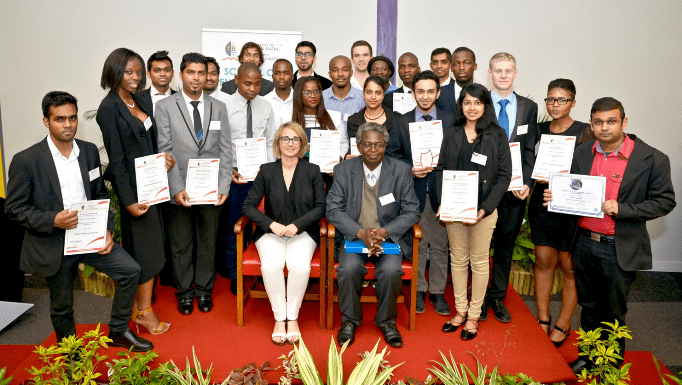
Our alumni have made remarkable contributions to engineering and innovation:

Electrical engineers work with generation, transmission, distribution and control of electrical power from generating sets at power stations to factories and homes.
Electronic engineers are responsible for the design, management and specification of an almost endless list of hitech appliances, equipment and systems.
Computer engineers design and manage computer systems from small LANs to networks that span the world via cables, optical fibres and radio/ satellite links.
EECE discipline is a research-led, producing knowledge for a rapidly changing, information-rich world. Students and staff engage in groundbreaking research.

Electrical Engineering (Renewable Energy Generation & Smart Grid Technologies, High Voltage Equipment Design, Power Systems and Energy Management, Robotics and Automation, Control Systems)
Electronic Engineering (Analog and Digital Communication Systems, Advanced Long- and Short-Range Communication, Microwave Systems & Antenna Design, Superconductivity Applications, Nano Transistor Design, Digital Signal Processing, Power Electronics, Automation and Control, Artificial Intelligence (AI) Applications)
Computer Engineering (Next-Generation Computer Networks, Mobile and Sensor Networking, Internet of Things (IoT) Applications, Tactical Communications (e.g., for military use),Network and Data Security, Embedded Systems, Software and Hardware Co-Design)
We have a number of research groups that specialise in areas of research in Biotechnology.
A multi-disciplinary research center which focusses on research in technology relating to HVDC, power systems (including lines) and power electronics relating to AC systems.
Established as a result of an initial partnership between UKZN and Eskom.
The Smart Grid Research Centre is a state-of-the-art modern facility for training/research development (modelling, simulation and real-time analysis) of Smart Technologies and the integration of various renewable energy technologies into the Grid.



The Centre for the Advancement of Science and Engineering (CASSE) provides alternative access to students, predominantly from disadvantaged educational backgrounds, who do not meet the standard entry requirements for science and engineering qualifications.
This structured approach provides academic support while ensuring students graduate with the same qualification as their mainstream peers.
Explore the programmes offered by the Electrical, Electronic & Computer Engineering department below to find the path that suits your passion and career goals.

Head of Electrical, Electronics, & Computer Engineering
Walingo@ukzn.ac.za / 031-260-1518
Campus: Howard College

Programme Co-ordinator: Electrical Engineering
SarmaR@ukzn.ac.za / 031-260-1217
Campus: Howard College

Programme Co-ordinator: Electronic Engineering
xuh@ukzn.ac.za/ 031-260-2107
Campus: Howard College
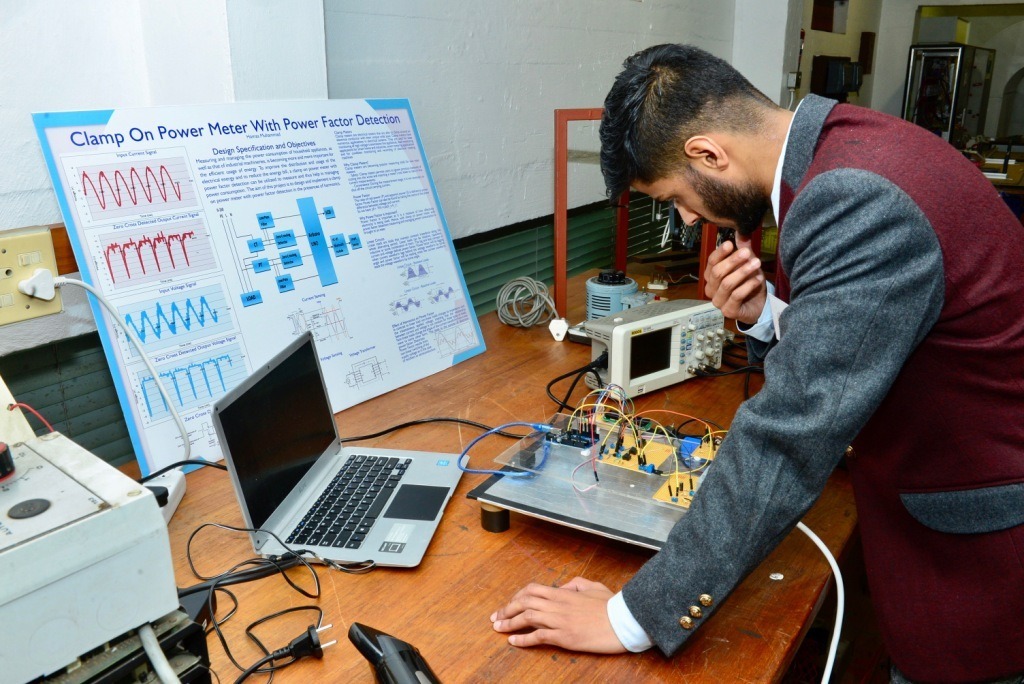
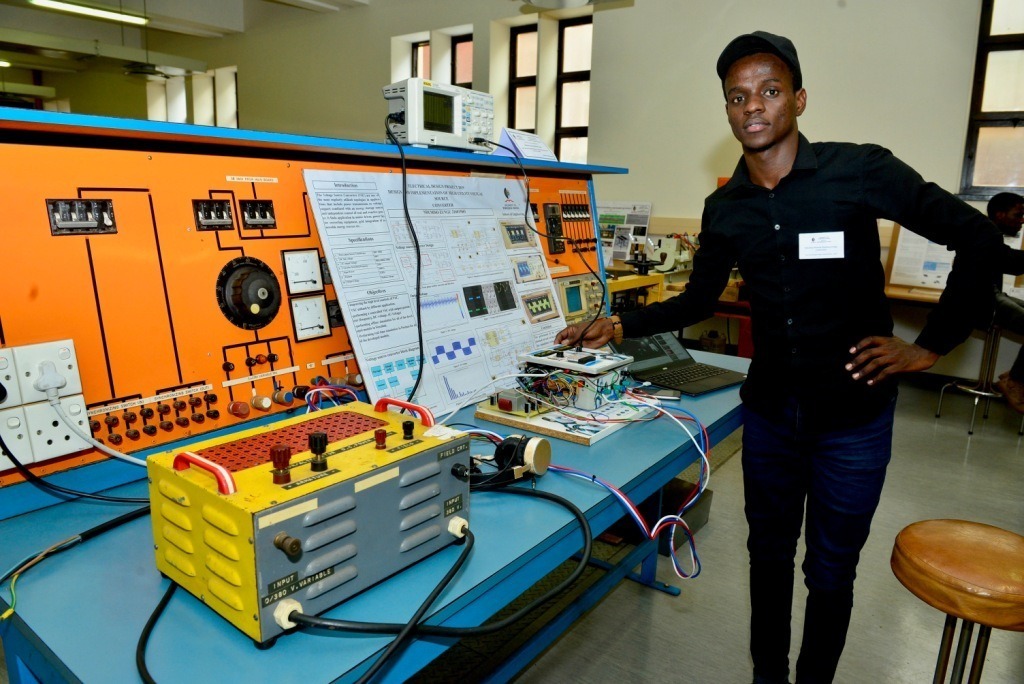
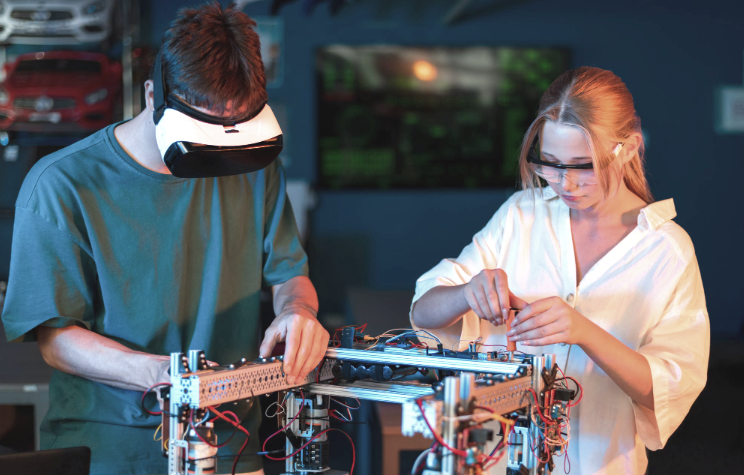
Laboratory work plays an important role in our curricula, and is used to verify or test the students’ understanding of engineering phenomena. Practical work tests and solidifies the students’ grasp of a particular subject, while also demonstrating various measurement techniques and tools. Laboratory timetables are drawn up at the beginning of each semester, dividing the class into groups of 3 or 4 persons.
The Electrical, Electronic & Computer Engineering Buildings are open between 07h30 and 17h30 on weekdays. Computer facilities in G-08 South are available 24 hours a day to students registered in the Discipline. Other computer facilities are available in the Fishbowl, Level 6 Shepstone and in the Venter Laboratory in the Mechanical Engineering Building – see venues for specific times.
These resources are for current students in the Electrical, Electronic and Computer Engineering disciplines. They’re meant to be used as tools throughout your. academic journey.
Electrical Engineering building,
Howard College,
University of KwaZulu-Natal
Mazisi Kunene Road,
Glenwood, Durban,
4041