University of KwaZulu-Natal (UKZN) master’s graduate, Mr Kitenge Sumbu, has contributed to advancing sustainable water treatment by developing an innovative membrane that improves the removal of harmful pollutants from industrial wastewater.
Sumbu chose UKZN for his postgraduate studies because of its strong academic reputation and focus on impactful research in engineering and environmental sustainability.
“UKZN provided an enabling environment with excellent laboratory facilities and mentorship, allowing me to explore solutions to real-world environmental challenges,” he said.
His research, titled: ‘Novel Application of Biochar in Aramid Nanofiltration Membrane for Enhanced Antifouling Capacity’, focused on improving filtration systems for treating dye-contaminated wastewater, particularly from textile industries, where untreated effluent can pose serious risks to ecosystems and human health.
As part of his study, Sumbu developed a hybrid filtration membrane by incorporating biochar, a carbon-rich material derived from biomass, into a Kevlar-based membrane structure. This approach enhanced the membrane’s ability to remove dye pollutants while also improving water flow and reducing fouling, a common challenge that affects the efficiency of filtration systems.
The study demonstrated that modifying biochar properties can influence membrane performance, offering a flexible, cost-effective approach to water purification. The use of biochar also offers a sustainable alternative to more expensive materials, making the technology promising for large-scale, practical applications.
“My interest in this research stems from the growing global challenge of water pollution and the need for sustainable treatment technologies,” said Sumbu. “Access to clean water is essential for both human health and environmental protection.”
The findings of his research contribute to ongoing efforts to improve wastewater treatment processes and support the development of more efficient and sustainable filtration technologies.
Sumbu acknowledged the support he received throughout his academic journey.
“I am grateful for the guidance of my supervisor, Professor David Lokhat, as well as the support and encouragement from Dr Ebrahim Kadwa and Dr Jeremiah Adedeji, who contributed to my academic development,” he said.
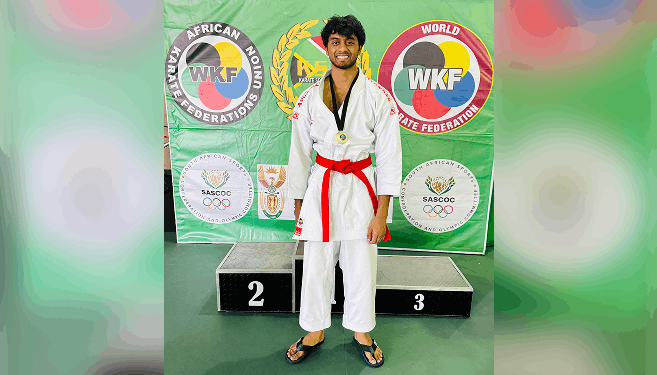
Outside of his academic work, Sumbu maintains a balanced lifestyle by participating in sports and enjoying time at the cinema.
He plans to continue working in environmental and materials engineering, focusing on developing innovative solutions for water purification and environmental sustainability.
“Completing my MSc has been a rewarding experience,” he said. “It has strengthened my passion for research, and I hope my work contributes to addressing environmental challenges and promoting sustainable water treatment solutions.”
Words: Sally Frost
Photograph: Sethu Dlamini